infince logo
  • Home
  • Apps
  • Solutions
    • By Function
      • Digital Workplace
      • Employee Engagement Platform
      • Remote Work Platform
      • Employee Intranet Software
      • Internal Communication Software
      • Social Intranet Platform
      • Mobile Intranet
    • By Role
      • IT Managers
      • HR Managers
      • New Business Owner
    • Alternatives
      • Google Workspace Alternative
      • Microsoft 365 Alternative
      • Sharepoint Alternative
  • Resources
    • Help
    • FAQs
    • Blogs
    • Videos
    • Case Studies
    • White Paper
    • Guides
    • Ebooks
    • Use Cases
    • Release Notes
  • Pricing
  • Login
Request a Demo

Tag: intranet software

Is Your Enterprise IT Setup Redundant? Look for These 3 Signs

  • Enterprise Application Cloud

Here’s a common scenario that occurs across workplaces today.
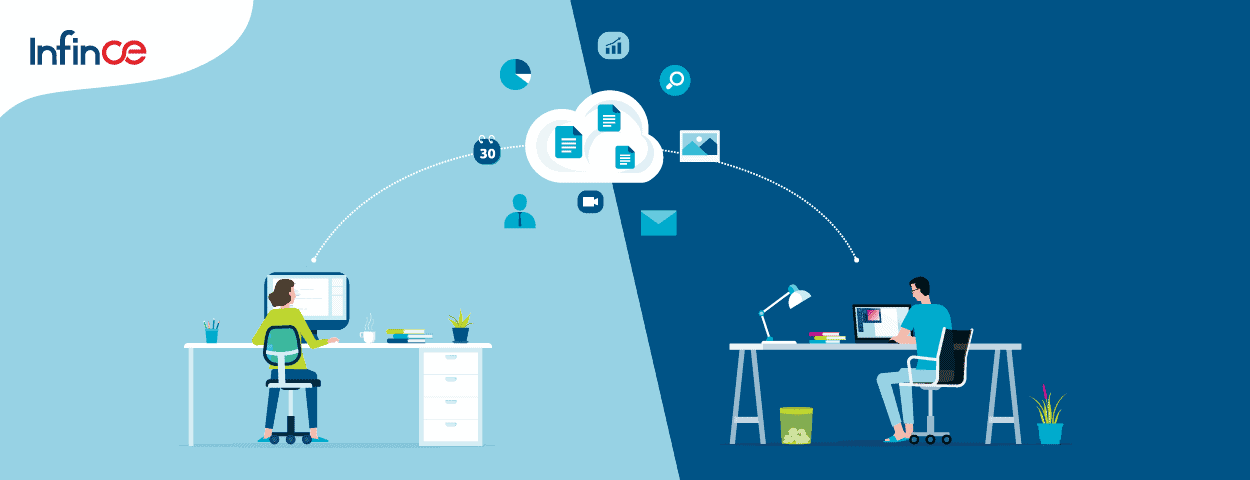
Your marketing team needs specific tools for campaign management, while sales uses dashboard-based tracking tools. The HR function has its own portal and finance runs on a separate ERP. When departments work on separate systems, there are increased challenges in collaboration. Teams face data silos. Disconnected teams reduce employee engagement leading to disrupted productivity and employee turnovers. Does this sound all too familiar? If yes, then it’s time to reconsider your IT structure to enable more flexibility and connectivity.

Organizations today use an average of over 30 cloud apps per employee, adding complexity that older systems weren’t built for.​ What started as solving specific problems with specific tools has turned into a multitude of applications that don’t interact with each other. As your teams spend more time managing technology, they are unable to effectively contribute to business growth.

Using one consolidated digital workspace instead of multiple tools addresses challenges of fragmented employee experiences. Organizations should gradually transition from using multiple outdated IT systems to a consolidated digital workplace that improves efficiency, particularly as their business grows or expands.

In this blog, we look at three clear signals that your enterprise IT setup might be holding you back—and how a more unified digital workplace can help. 

Sign 1: Teams spend more time managing tools than using them

In many enterprises, every new business need has led to investing in “just one more app.” Marketing, HR, and finance have their stack of tools. This creates a disjointed system where employees spend time syncing tools together rather than using them efficiently. 

As employees switch between apps several times per day, they lose hours in context‑switching leading to productivity loss. What follows is slower decisions, inconsistent reports between functions, and a growing sense that “we don’t have one version of the truth.”​ 

Usually, this is what it looks like: 

  • Data lives in silos throughout project tracking tools, chat applications, and file drives.
  • Teams duplicate work because they can’t see what others are already doing in another system.
  • Managers spend time exporting data into spreadsheets just to combine views for leadership.
  • New hires take weeks just to learn “which system is for what.”

At this stage, your IT landscape is no longer supporting growth; it is generating operational drag. The core issue isn’t that individual tools are bad. It’s that your digital workplace has grown redundant. 

What helps is not just “fewer tools,” but a more unified way of working. That usually means:

  • Consolidating overlapping tools where possible
  • Giving employees a single, secure point of access to core apps, data, and communication
  • Standardizing how teams create, store, and share information so workflows are consistent
  • Slowly phasing our legacy IT systems with a modern enterprise IT setup that unifies functions and integrates systems

Sign 2: IT costs rise, but efficiency plateaus

The second signal shows up in budgets. IT budgets go up each year, but leadership teams do not see a significant increase in speed or efficiency.  Instead, they see a combination of rising license costs, cloud bills, and support tickets. What’s more, business heads still complain that “IT is slow” or “systems don’t talk to each other.”

In reality, even with cloud in the mix, IT infrastructure modernization has been a story of bloated contracts and subscriptions. Companies now purchase and manage several standalone cloud products and end up paying for tools  that are under-utilized and/or offer duplicate functions. There’s also another dimension to this: IT executives are seeing an increasing percentage of their budgets committed to maintaining or integrating legacy IT systems versus investing in new tools or capabilities. 

Often, in enterprise IT setups, the pattern shows up like this:

  • License sprawl: Different teams buy overlapping tool sets and/or cloud applications to resolve similar use cases, often from different vendors. 
  • Integration overhead: When an organization rapidly adopts multiple cloud applications, it incurs integration overhead. This means it has to spend both time and consulting resources to establish and maintain individual point-to-point integrations between each of the cloud applications.
  • Compliance requirements increase: Following suit, integration requirements for using multiple cloud applications creates compliance and security overhead. With this, organizations must manage additional user access policies, perform additional audits, and manage additional risk surfaces created by using multiple cloud applications.

Industry analyses suggest that downtime alone can cost large organizations hundreds of thousands of dollars per hour in event of the failure of mission critical systems. Even partial outages lead to heavy costs in lost employee productivity and engagement. This includes slow systems, async or failed sync jobs, or batch jobs running overnight.

Addressing these challenges doesn’t mean a sudden overhaul of the enterprise IT setup. Instead, you may start with:

  • Gaining a clear inventory of systems, licenses, and ownership
  • Identifying where three or more tools are doing similar jobs and rationalising
  • Moving toward platforms that bring multiple capabilities—collaboration, data access, workflows—into a single environment instead of adding more solutions

When you redirect spend from “holding the line” to “simplifying the landscape,” you create room for genuine efficiency gains.

Sign 3: Your legacy IT systems are not keeping up with people and processes

The third sign shows up in how work feels for your employees. Work today is blended: In an enterprise IT setup, it may be remote, hybrid, cross‑location, and often cross‑company. Teams expect to move from chat to files to tasks to meetings without friction. When your enterprise IT setup can’t support this, the impact is cultural as well as operational.

Employees are more likely to stay engaged when they work with intuitive tools and clear workflows. They are likely to feel burned out when that doesn’t happen. As a result, there are: 

  • Repeated complaints about “slow systems” in employee engagement surveys.
  • Shadow IT or teams adopting their own tools outside of IT because “the official system is too hard to use.”
  • Poor adoption of intended primary tools (like a collaboration platform where ultimately most users continue to rely on email).
  • Onboarding challenges when new employees frequently spend weeks gaining complete access to various systems. 

Addressing the challenges with an enterprise technology upgrade

Choosing not to address these three signs for your enterprise IT setup has consequences, and they include:

  • First, security risk increases. Every new ungoverned tool increases your attack surface, and legacy IT systems can turn obsolete in no time. This means increased security vulnerability. Identity and access controls become unwieldy to manage across dozens of tools. 
  • Second, data silos deepen. As more tools are added, integrating them becomes harder. Gradually, each function gets disconnected as it builds its own view of customers, projects, and performance.  Legacy IT systems tend to miss security lapses or depend on unsupported versions. This increases the attack surface and makes it more vulnerable to cyber threats. Therefore, managing identity and access controls becomes more complex.
  • Third, scalability falls short. When processes depend on manual work, personal workarounds, or a small number of “IT experts” who understand the integrations, growth gets stunted. In effect – adding a new team, location, or product becomes a long IT project, rather than a simple configuration change. This translates to slower strategic execution and high operational/maintenance costs.

The solution: Investing in a unified enterprise IT

Updating your enterprise IT setup doesn’t have to mean “starting over whole new”. Usually, the best approach is to transition to a more unified digital workplace. This typically should have all the core capabilities in a single place with improved visibility, control over access, data and workflows. 

Following is blueprint of potential steps that you could adopt:

  1. Decide what business results you seek to achieve: Some examples of business results include: faster decision-making, better collaboration between departments, simpler employee onboarding, and reduced time-to-market for new initiatives. By chalking out your goals carefully and aligning them with key business outcomes, you will build the foundation on which every technology decision is based.
  2. Identify what your existing set up and digital landscape is: Create a detailed document describing each of the available systems, including functionality, system ownership, number of users, and cost. Include both official tools and popular “unofficial” applications.  This helps you identify tool overlap and hidden risk.
  3. Look for opportunities to consolidate tools: Identify tools that perform redundant functions (eg:, file storage and chat, project tracking) and prioritise them in order of need. Develop a plan to identify which platforms can be made “primary” and phased out over time.
  4. Choose a centralized workspace: Build a central digital workspace or platform that can become the “central hub” for all employees access to everything they need to get their job done with one login (SSO). This means one location for accessing applications, and one platform for storing and sharing data and collaborating with others. The goal is not to replace the whole stack at one shot but to create a new unified experience that allows employees to engage effectively.
  5. Standardize core workflows: Work with key stakeholders across the company to define standard workflows for key business processes, including project initiation, approval processes, reporting, client handoff, etc. Once you have created your new workflows, integrate it into your enterprise IT systems so that teams do not need to create their own unique processes for each function.
  6. Address change management in advance:Communicate clearly regarding potential changes in the enterprise IT setup. Clearly lay out what will become easier for teams, and how support teams will manage issues. Identify champions in each function who will help colleagues learn and adapt to the new environment and tools.

While modernizing your enterprise IT setup, the central question is no longer, “Do we have enough tools?” It is, “Do employees have a coherent, secure, and simple way to do their work every day?” When the answer is yes, you see it through faster decisions, cleaner data, and agile teams. A modern digital workplace, ideally:

  • Makes it accessible for every employee to work via a single, secure workspace and collaborate on core functions and tools.
  • Provides a simple way to find people, projects, and information irrespective of where individuals are located.
  • Grows with the organization and addresses scalability challenges so that security, access, and compliance are taken care of.

Conclusion

A unified enterprise IT environment is primarily about building a stable, scalable foundation that can grow with your business. Consolidating your IT applications into a single unified platform offers a foundation for scalable growth and innovation. Simplified management, improved compliance, and an improved employee experience allow enterprises to remain nimble for tomorrow’s demands. 

A modern enterprise IT setup that works as a unified digital workplace is therefore the need of the hour. From an employee perspective, a unified digital workplace creates an “employee-first” experience. Everyone accesses communication, collaboration, project management, and knowledge tools from a single, intuitive portal.

Infince is designed for exactly this purpose—helping enterprises replace inefficient tool sprawl with a seamless digital workplace that offers employees centralized control, secure collaboration, and scalable management tailored to business growth.

FAQs

1. In what way does an all-in-one admin panel support IT teams? 

To streamline user management, permissions, and integrations from one dashboard. This can streamline onboarding processes and improve the ability to protect critical security and compliance needs. 

2. What can all-in-one digital workplaces do to enhance the employee experience? 

When employees have a more engaging and holistic experience with the tools they use (without having to navigate several applications), they may tend to  spend less time switching between different programs and losing productive hours. This in turn helps them to communicate better with each other, be more productive and engaged, and do their day-to-day jobs effectively.

3. How does Infince support digital workplace transformation?

Infince offers a scalable, secure platform that centralizes app access, streamlines collaboration, and gives a holistic and unified digital experience for employees.

Archana works at Infince as a Digital Marketing Executive, focusing on SEO, branding, and content marketing. She handles tasks like improving website rankings , and enhancing online engagement. Archana also helps with creating brand strategies, and running social media campaigns. Her role involves analyzing marketing data and using insights to improve the company’s digital presence.

More posts by Archana

Related Posts

Role of a Digital Workplace Platform in Hybrid Workplace

The necessities of Covid-19 made companies rethink their priorities regarding managing their workforce. As a result, remote work shifted from…Read More

7 Ways to Improve Team Collaboration in 2021

"If everyone is moving forward together, then success takes care of itself." - Henry Ford. Team collaboration is the main…Read More

The Benefits of Infince’s Unique Pricing Model for Digital Workplace Platforms

Unprecedented changes over the last couple of years have dramatically changed the way we work. Combine this with amazing technological…Read More

How can modern IT management software empower companies to be more agile?

Benefits of Implementing IT Assets and Inventory Management Software During 2020-2024, the IT Management software is predicted to grow at…Read More

Popular Posts

  • Tackling Top 10 Technology Challenges of Small Businesses
  • Major Web Hosting Challenges and Solutions
  • Effective Work From Home Tips – Infographic
  • How Intranets Solve Workplace Challenges
  • 10 Key Factors to Consider While Choosing An Intranet Platform

    Stay up to date on the latest in Digital Workplace Trends


    Manage your entire business from one place with the complete cloud platform InfinCE.

    Request a Demo

    Intranet Adoption Challenges and Their Effect on Business Growth

    • Enterprise Application Cloud
    • Intranet

    As global organizations scale and are in a bid to increase their digital footprint, they tend to fall short on adopting and optimally using an intranet solution. This, in turn, can have a negative impact on workplace productivity.

    Why? Employees struggle with clunky interfaces, confusing navigation, or simply fail to see the value of the intranet. This leads to poor adoption and engagement rates. The cost of poor adoption goes beyond wasted investment. 

    Teams duplicate work because they can’t find existing resources. Decision-making slows down when information is scattered. Remote workers feel disconnected from company culture and updates. Innovation stalls when collaboration tools remain unused.

    Overcoming enterprise intranet adoption challenges can bring measurable benefits. Effective intranet adoption strategies not only simplify workflows but also integrate essential employee productivity tools, helping leaders boost productivity and foster collaboration across departments.

    This blog explores the key challenges hindering intranet adoption and how they directly affect organizational performance and growth.

    Common Intranet Adoption Challenges

    Many intranet failures stem from similar causes. Recognizing these intranet adoption challenges is the first step to finding useful strategies in response. Here is a summary:

    User Experience Issues 

    When your intranet takes dozens of clicks to access basic information or takes time to load, employees will stop using it. What seemed feature-packed may not have been simple to navigate for the users. If it takes you longer to find a document than it would to just email someone to obtain it, it is likely that people will continue to use emails.

    Mobile Accessibility Issues 

    With a growing hybrid work model, employees will increasingly want to access company resources from anywhere. If your intranet is only designed to work on desktop computers or laptops, you are potentially shutting out an increasing cohort of workers. If an employee is working from home or is a field or mobile first employee, the latter can’t use the intranet optimally.

    Integration Issues 

    When your intranet platform exists as an island and is detached from the daily workflows, it becomes a cause of adoption failure. Let’s say your employees are using email, project management, messaging systems, and other tools, and your company intranet does not integrate within these systems, it simply becomes another piece of work the employee needs to remember to access.

    Search Issues

    The user experience challenge does not stop there. Few things are more frustrating for a user than when they know information exists, but they cannot find it. 

    These challenges have genuine business implications that often transcend IT metrics. 

    Reduced Productivity 

    When employees cannot find the information quickly, it leads to a massive amount of wasted time from searching, asking team members, or recreating work that already exists. Research shows that knowledge workers find approximately 20% of their time is spent finding internal information. Multiply that by the number of knowledge workers in your organization, and the total amount of wasted productivity is eye-popping.

    Poor Communication 

    Without an easy-to-use central “single-source-of-truth” platform, there are important updates employees miss. Different departments are working off of different information. Remote teams may feel even more ignored and disconnected. This disconnection makes it more challenging to make decisions and adds unneeded confusion to the work you are trying to execute across projects and initiatives. 

    Broken Knowledge 

    When a cherished and knowledgeable employee leaves the organization, so does their expertise. Without the structure and systems in place to capture and share knowledge, employees constantly “solve the same problem” repeatedly. Silos emerge when file sharing, project coordination, and communication among departments is painstakingly difficult. Cross-functional efforts become cumbersome. 

    Ineffective Collaboration 

    Silos arise when it’s difficult for people to share files, coordinate projects, or communicate between departments. Cross-functional initiatives are a challenge. While innovation requires diverse perspectives, facilitating that collaboration is nearly impossible without effective collaboration systems in place. 

    Increase in Compliance and Security Risks 

    When employees circumvent clunky systems, it is often to the detriment of the organization and leads to security implications. Employees share sensitive documents through insecure channels. The policies and procedures that have been established within the organization aren’t going to be read just because there is awareness, and because they don’t come up in the search in the antiquated system they are buried in, employees suffer the consequence. These issues expose the organization to regulatory and legal risk. 

    Ways to Successfully Drive Intranet Adoption

    Overcoming Intranet adoption challenges has to be thoughtful and people-based, and not just brushed aside as a technology concern or issue. 

    Get Feedback and Iterate 

    Before you start to implement changes, you must understand how employees work in real life. What information do they seek out most? What is the biggest pain point with the system (be it in the process and/or the tool)? Survey every employee, run focus groups, and observe how a variety of people navigate their day-to-day. Design based on the real needs of people and not assumptions. 

    Simplify The Intranet for Ease of Use

    The content that is shared most frequently should be only one or two clicks away once the employee gets to the homepage. Organize everything in a simple user-friendly manner and make understanding the logical grouping simple for the employees – categories should be easy. A strong search engine that understands synonyms and evergreen content is important – returning results that are approximately what the user is looking for is crucial. Remember to take employees through every change in the navigation and layout; don’t rely on outdated feedback.

    Build Integration with Existing Workflows

    Connect your intranet with the tools employees already use daily. Integrate with email systems, calendar applications, and project management platforms. Allow single sign-on to reduce friction. Bring information to where employees are working rather than forcing them to go somewhere else.

    Build Productivity and Collaboration Features As Key USPs

    Go beyond static information to provide tools that help people work better together. Implement shared workspaces for teams, document collaboration features, and communication channels that keep conversations organized and searchable.

    How Infince Helps

    Infince offers an up-to-date intranet platform that helps businesses quickly adapt to the Intranet without the common Intranet adoption challenges.

    • The platform’s design begins with an elegant user interface that customers’ employees can use without extensive training. The user interface is clean and orderly, so individuals can find what they are looking for, while encouraging them to use the platform frequently instead of out of frustration.
    • Communications boards provide tailored messaging to employees at the right person at the right time. Instead of drowning in more irrelevant messaging, employees can see what matters to them according to their role and their location. 
    • Centralized file storage and file sharing eliminate the chaos and confusion of scattered documentation and version control. Teams can have the most current files all secured in one location, not only for real-time collaborative efforts but for organized repositories that define and protect institutional knowledge. This in itself addresses the biggest productivity challenge which is wasted time looking for information.
    • The app marketplace provides the solution for the commonplace workplace integration challenges. Instead of making employees choose between the apps they use and the intranet, Infince can help consolidate all of what they need in one easy-to-access location.

    Try Infince today and explore how you can enhance your business operations and communications.  

    Archana works at Infince as a Digital Marketing Executive, focusing on SEO, branding, and content marketing. She handles tasks like improving website rankings , and enhancing online engagement. Archana also helps with creating brand strategies, and running social media campaigns. Her role involves analyzing marketing data and using insights to improve the company’s digital presence.

    More posts by Archana

    Related Posts

    5 Must-have Features In A Project Management Tool For Small Businesses

    Features to look for while selecting a project management tool for your small business For any small business, the best…Read More

    Digital Workplace: What It Is and Isn’t?

    Everything You Need to Know About Digital Workplace The term "digital workplace" has seen too many interpretations over the past…Read More

    3 Actionable Steps for CIOs to Drive Post-COVID Work Experience

    How Can CIOs Contribute Toward Sustainable Work From Home Experience As the world tries to wipe out the pandemic, businesses…Read More

    6 Ways to Build a Secure File Sharing Practice Within Your Organization

    6 Tips to Ensure Secure File Transfers Within Your Organization To survive tough market conditions like dynamic consumer trends and…Read More

    Popular Posts

    • Tackling Top 10 Technology Challenges of Small Businesses
    • Major Web Hosting Challenges and Solutions
    • Effective Work From Home Tips – Infographic
    • How Intranets Solve Workplace Challenges
    • 10 Key Factors to Consider While Choosing An Intranet Platform

      Stay up to date on the latest in Digital Workplace Trends


      Manage your entire business from one place with the complete cloud platform InfinCE.

      Request a Demo

      The Ultimate Guide to Building an Intranet Solution for Your Organization

      • Small Business
      • Technology
      • Business Software

      Table of Contents

      1. The State of Intranets Today
      2. Intranet Solution as a Must-have for Your Organization
      3. How to Build an Intranet Solution: A Step-by-Step Approach
      4. Best Practices for Maintaining Engagement
      5. Why Infince?
       

      Gone are the days when a flurry of emails or phone calls defined workplace culture’s everyday grind. Remote and hybrid work models have rendered traditional communication channels almost obsolete. Companies worldwide are building intranet systems that double down as robust communication and collaboration tools to keep pace with the market’s growing demands and keep employees productively engaged. This blog will help you recognize Intranet solution best practices to leverage modern workplace technologies better. 

      The State of Intranets Today

      A quick reality check shows that there is a status quo in how several companies still rely on outdated intranet systems or, worse, have no designated intranet at all. A well-designed intranet solution can transform how teams collaborate, share information, and engage with one another. Here are some interesting numbers. A 2022 Gallup study indicates how engaged employees are more productive and contribute to a 21% increase in RoI and profitability. Moreover, organizations with effective internal communication have reported a 4.5 times more likelihood of engaging their employees. 

      In this guide, we do a full rundown of what best practices you can follow while implementing an intranet for your organization. We focus on important questions such as:

      • How do we build an intranet?
      • Which features should we prioritize? 
      • How can we ensure our employees actively use it?

      Intranet Solution as a Must-have for Your Organization

      An intranet solution not only streamlines organization-wide communication but is also a significant contributor to operational efficiency. A versatile intranet typically serves the following functions:

      • A cohesive system breaks down silos and fosters open communication across departments enabling connected workplaces.
      • Equips organizations with tools that enable teams to work together seamlessly, regardless of geographic location.
      • Centralizes information and offers a single source of truth for company policies, procedures, and resources.

      How to Build an Intranet Solution: A Step-by-Step Approach

      1. Assemble a Diverse Team

      The first step to building a modern intranet successfully involves assembling a cross-functional team that has a diverse skill set. This diversity can bring a wide range of perspectives (this could include decision-makers from HR, IT, internal communications, and even frontline employees). By brainstorming across departments and bouncing ideas off varied perspectives, this step will ensure that the intranet solution you invest in addresses the unique needs and challenges of the entire workforce. 

      2. Define Goals and Objectives

      Once the team is assembled and the team is up and running to execute the plan, it’s time to establish clear goals for your intranet. This step is crucial for keeping everyone aligned and focused. Common objectives might include:

      • Aim to reduce email overload and improve information dissemination.
      • Create spaces where teams can work together seamlessly.
      • Ensure that vital information is easily shared, accessible, and up-to-date.
      • Use the intranet solution to reinforce values and engage employees.

      Each intranet can be custom-built to suit primary, secondary, and tertiary requirements. If your primary aim is to reduce project turnaround time significantly, you will need to buck up and build tools centered around project management, workflow management, resource allocation, and so on. Building necessary protocols to safeguard data is the first step if security is at the top of the mind. This is particularly important where sensitive data plays a role, in sectors such as banking and Fintech. An intranet can also be the first step toward a more comprehensive roadmap to guide the organizational development process.

      3. Choose the Right Vendor

      Selecting the right intranet vendor is one of the most critical steps in this process. Your vendor will influence not only your budget but also your platform’s capabilities, security, and user experience. Look for a vendor that aligns with your organization’s needs and offers ongoing support. Personalized training and support can result in a smoother implementation and higher user satisfaction.

      4. Personalize Your Intranet

      After selecting a vendor, focus on branding and customizing your intranet. This includes determining the layout, color schemes, and overall design. A well-branded intranet creates a sense of belonging among employees.

      5. Organize Content Effectively

      Content organization is key to ensuring employees can easily find the necessary information. Consider structuring your intranet by:

      • Company Information: Announcements, policies, and company-wide resources.
      • Department News: Updates relevant to specific departments.
      • Group Content: Project-specific information that requires collaboration.

      6. Customize Features and Permissions

      Customization is not just about the look and feel of the intranet solution but also about its detailed functionalities. The intranet’s functionalities must be built to align with your organization’s workflows, culture, and operational requirements. A step-by-step approach would probably be useful: 

      • Take Stock of Organizational Needs: Begin by conducting a thorough assessment of your organization’s specific needs. Engage with various departments to understand their workflows, challenges, and the types of information they require. For instance, a healthcare provider might prioritize features that facilitate patient data access, while a tech firm may focus on project management tools.
      • Build and Enable Relevant Features: Once you have a clear understanding of departmental needs, take the time to enable or disable features within the intranet platform. This could include collaborative tools, document management systems, social networking functionalities, and knowledge-sharing portals. 
      • Focus on User-Centricity: Implement a user-centric design approach by allowing employees to personalize their intranet experience. This could involve customizable dashboards, where users can pin frequently accessed resources, or adjustable notification settings to tailor alerts based on individual preferences. 
      • Implement Permissions Management: Security is paramount regarding sensitive organizational information. Establish a comprehensive permissions management system that allows you to set different access levels for various user groups. This ensures that confidential data is only available to those who need it. For instance, HR documents should be restricted to HR personnel, while project-related information may be accessible to specific teams.
      • Build Role-Based Access Control (RBAC): Consider implementing Role-Based Access Control (RBAC) as part of your permissions strategy. RBAC allows you to define roles within your organization and assign permissions accordingly. This not only simplifies the management of user access but also enhances security by ensuring that employees only have access to information pertinent to their roles.

      7. Incorporate Existing Information

      Once your structure is in place, it’s time to populate your intranet solution with essential resources. This includes company handbooks, training materials, and departmental information. To streamline this process, empower department heads to manage their content.

      8. Host a Launch Party

      A launch party is a fun way to unveil your new intranet and encourage employee engagement. Invite representatives from various departments to demonstrate the platform’s capabilities. This event can help employees understand the intranet’s value and how it can benefit them.

      9. Create Ongoing Content

      As your organization evolves, so should your intranet. Regularly review and update content to ensure it remains relevant. This includes adding new features and removing outdated information. A global consulting firm established a quarterly review process for its intranet, ensuring that it continually aligned with the company’s goals and employee needs.

      10. Foster a Culture of Engagement

      Building an effective intranet is just the beginning; maintaining high levels of employee engagement is essential. Here are some best practices to keep your intranet relevant and useful:

      • Make It Mobile-Friendly: With employees working on the go, ensure that your intranet is accessible from mobile devices.
      • Embrace Your Brand: Personalizing your intranet helps employees relate to it, increasing participation. By incorporating specific brand elements, companies can see an in user satisfaction.
      • Integrate Essential Tools: Your intranet should serve as a one-stop shop for employees. Integrate commonly used applications to encourage frequent visits.

      • Provide Training: Invest time in training sessions to help employees navigate the intranet effectively.
      • Monitor Engagement: Utilize analytics to track user engagement and identify areas for improvement. 
      • Conduct Surveys: Regularly solicit feedback through surveys to gauge employee satisfaction and gather suggestions for improvement.

      Read more: 6 Ways an Employee Intranet Portal Improves Employee Engagement.

      Best Practices for Maintaining Engagement

      Once your intranet is live, focus on maintaining high levels of engagement:

      • Mobile Accessibility: Ensure your intranet is mobile-friendly so employees can access it anytime, anywhere.
      • Branding Consistency: Reinforce your brand identity within the intranet to foster a sense of belonging.
      • Integrations: Incorporate tools employees use into the intranet to create a seamless experience.
      • Training Programs: Offer training sessions to help employees maximize their platform use.
      • Feedback Mechanisms: Utilize surveys and analytics tools to gather feedback on user experience and make necessary adjustments.

      Why Infince?

      Infince is tailor-made for organizations that prioritize collaboration and communication. With robust features enabling seamless collaboration, robust security measures, and customizable options reflecting your brand identity, Infince empowers organizations to enhance their internal communication strategies effectively.

      To learn more about how Infince works, connect with our experts now or simply start your free trial now!

      Ashmitha works with InfinCE as a creative writer. She collaborates with the Digital Marketing team to deliver engaging, informative, and SEO-friendly business collaterals. Being passionate about writing, Ashmitha frequently engages in blogging and creating fiction. Besides writing, Ashmitha indulges in exploring effective content marketing strategies.

      More posts by Ashmitha Chatterjee

      Related Posts

      5 Benefits Of Having A Centralized Employee Dashboard In Your Business

      Can centralized dashboards improve workplace productivity? Dashboards are often an intrinsic part of today’s business world. From helping executives and…Read More

      10 Ways to Redefine Your Intranet to Improve Employee Experience

      How to Improve Your Intranet for Better Employee Experience Technology advancements and modern communication tools have changed the entire landscape…Read More

      How a Unified Environment Promotes a Successful Digital Workplace

      A digital workspace is the virtual equivalent of your individual workstation. It is an integrated technology framework that leverages evolving…Read More

      Tips in Building a Hybrid Workplace for the Future

      There has been an increasing acceptance of hybrid work culture post the pandemic. Covid-induced lockdowns brought a paradigm shift to…Read More

      Popular Posts

      • Tackling Top 10 Technology Challenges of Small Businesses
      • Major Web Hosting Challenges and Solutions
      • Effective Work From Home Tips – Infographic
      • How Intranets Solve Workplace Challenges
      • 10 Key Factors to Consider While Choosing An Intranet Platform

        Stay up to date on the latest in Digital Workplace Trends


        Manage your entire business from one place with the complete cloud platform InfinCE.

        Request a Demo

        6 Ways an Employee Intranet Portal Improves Employee Engagement

        • Small Business
        • Technology
        • Business Software

        Disengaged employees cost the world $7.8 trillion in lost productivity. The silver lining, however, is in the converse—highly engaged teams achieve 21% greater profitability and report 59% lower turnover rates. So, what can organizations do to leverage employee engagement to contribute to business success? The answer is probably to invest in a robust employee intranet portal. 

        Beyond just being a storage database for maintaining company documents or sharing HR updates, an employee intranet portal helps foster a connected, motivated, and proactive workforce. In this blog post, we’ll discuss six impactful and proven strategies for elevating employee engagement platform and helping your team thrive in today’s hybrid work culture. Read on to discover how an intranet portal for employees can significantly transform workplace dynamics.

        1. Drive Effective Communication and Improved Transparency

        An employee intranet portal typically works as a unifying hub for internal communication. In that way, it makes communication more impactful by eliminating silos, and the intranet portal doubles down as the primary hub for internal communication, eliminating silos and ensuring everyone—from C-suite executives to entry-level employees—has access to the same information. Companies like Unilever have demonstrated the power of intranet tools, creating transparent communication channels that keep teams aligned and informed. 

        Stats show that 87% of employees worldwide say they want their employer to be transparent. 

        Regular updates, leadership blogs, and Q&A forums are examples of how an intranet can foster a culture of openness where employees feel informed and valued.

        2. Improves Accessibility to Information and Resources

        It’s well-known that searching for the right files while navigating through complex directories hampers workplace productivity significantly. 

        Studies suggest that employees can spend up to 1.8 hours daily searching for information. 

        An employee intranet portal provides a quick fix by acting as a one-stop repository where employees can quickly access policies, training materials, and project documents. A useful example is how your HR team simplifies new member onboarding by posting all related checklists on the company intranet, saving hours of back-and-forth emails and multiple phone calls and thereby enhancing the new hire experience.

        3. Boosts Collaboration Across Teams

        Cross-functional communication is the driver of seamless collaboration and in turn, innovation for organizations today. However, a common trend that we notice is how organizations are not adequately equipped to handle the volley of inter-departmental communication. This is where intranets come into play; intranets with employee engagement software features such as shared workspaces, team project boards, and integrated chat functions foster better teamwork. A dedicated intranet portal for employees helps facilitate real-time collaboration and fosters a sense of belonging in the organization. 

        As early as 2012, a McKinsey finding suggested that improved collaboration through social media tools and tech can up workplace productivity by 20-25%, investing in a collaborative intranet a wise choice.

        4. Acknowledges and Celebrates Employee Achievements

        A 2024 study by Gallup found that employees who receive regular recognition are 4.6 times more likely to be engaged at work. An intranet portal for employees can feature a section called “Employee Spotlight,” a leaderboard, or a recognition wall celebrating accomplishments ranging from project successes to employee anniversaries. HubSpot’s employee intranet solution is built with a dedicated recognition feature that allows team members to give shout-outs to colleagues, which can significantly contribute to a positive and collaborative company culture. This workplace culture encourages employees to feel seen and appreciated, fostering a deeper connection to their workplace.

        5. Facilitates Continuous Learning and Professional Development

        A Deloitte study shows that organizations with a learning culture are 92% more likely to innovate and grow. Intranets for employees are designed to enable continuous learning by offering comprehensive training modules, webinars, and certifications.

        Consider LinkedIn Learning’s integration with corporate intranets. Built with courses that employees can access directly through their company’s portal, it helps build a structured learning system within the organization, leading to positive outcomes of professional growth. Whether it’s new product training for the sales team or leadership development for aspiring managers, an intranet portal for employees ensures that learning is at employees’ fingertips, making them more engaged and invested in their personal growth.

        6. Fosters Feeling of Community and Belonging

        Intranets for employees are designed to build and nurture a strong sense of belonging and drive employee engagement. They facilitate forums, interest-based groups, and company-wide social events, which enhance participation and connection among employees. For instance, companies like Airbnb use their internal platform to share employee stories, organize volunteer opportunities, and post fun challenges to encourage participation

        A BetterUp study indicates that employees who feel a sense of belonging are 56% more engaged and 50% less likely to leave.

        How Infince Makes An Apt Employee Intranet Portal

        A unified employee intranet platform like Infince helps create a connected workplace that facilitates easy communication, improved collaboration, and enhanced employee experience. Infince’s unique features eliminate security threats, data silos, and miscommunications and promote a healthy, productive work environment. With Infince, enable:

        • Communication Boards
        • Centralized File Storage and Sharing
        • App Marketplace
        • Mobile Accessibility
        • Employee Directory and Productivity Tools.

        Explore Infince today and unlock unique opportunities for your business. Request a Free Demo now!

        Ashmitha works with InfinCE as a creative writer. She collaborates with the Digital Marketing team to deliver engaging, informative, and SEO-friendly business collaterals. Being passionate about writing, Ashmitha frequently engages in blogging and creating fiction. Besides writing, Ashmitha indulges in exploring effective content marketing strategies.

        More posts by Ashmitha Chatterjee

        Related Posts

        Why Startups Need an All-in-One Platform to Scale Successfully

        Today’s digital workplaces run on five essential elements: employee engagement, work culture, productivity tools, connectivity, and IT structure. Startup leaders…Read More

        How Digital Workplaces Make Remote Working Effective

        With organizations worldwide adapting to either a hybrid or a remote work structure, the shift to a new work order…Read More

        5 Reasons to Choose a Custom Business Domain and Private Email

        Why is a custom web domain important for your business branding needs? Having a website is considered a standard pre-requisite…Read More

        Why Switch to a Modern Intranet Software Solution Like Infince

        How Infince Helps You Overcome Legacy Intranet Challenges in Remote Work Remote work culture has become the norm across industries,…Read More

        Popular Posts

        • Tackling Top 10 Technology Challenges of Small Businesses
        • Major Web Hosting Challenges and Solutions
        • Effective Work From Home Tips – Infographic
        • How Intranets Solve Workplace Challenges
        • 10 Key Factors to Consider While Choosing An Intranet Platform

          Stay up to date on the latest in Digital Workplace Trends


          Manage your entire business from one place with the complete cloud platform InfinCE.

          Request a Demo

          10 Key Factors to Consider While Choosing An Intranet Platform

          • Small Business
          • Technology
          • Business Software
          • Cloud

          A sustainable digital workplace in the current business landscape would be incomplete without a robust intranet platform. It’s not an understatement to say the time of social intranets has arrived.

          Your intranet should offer a pan-organizational experience and steer clear of creating silo-based workflows. It should cohesively bring multiple units together to offer a coherent view of the company to your employees.

          All that said, how do you zero in on the best intranet platform?

          • What are the key features you should be looking at?
          • What are the no-brainers?

          In our infographic, we give you ten critical components that can be your guidelines to consider while making the choice for the best intranet platform.

          Let’s dive right in.

          Working from Home


          Aarathy is a Senior Digital Marketing Analyst at InfinCE. She is majorly into content marketing and focuses on getting the messaging right across a host of marketing collaterals. While not working on content, you can find her juggling SEO, social media, branding, and more. She enjoys exploring new frontiers in digital marketing and the associated challenges keep her going.

          More posts by Aarathy Jayakrishnan

          Related Posts

          6 Ways Online Collaboration Software Helps Manage Your Virtual Team

          Leading Examples of How Technology Helps in Managing Virtual Teams Technology advancements have eliminated the constraints of physical boundaries for…Read More

          4 Tips To Attain Success In The New Normal Remote Work Environment

          How can businesses succeed with employees working completely remotely? One of the major implications of the COVID-19 lockdowns is the…Read More

          What is Hybrid Cloud Identity and Why It Matters for Your Business

          Embracing cloud technologies is one of the typical components of digital transformation. According to a Gartner report, “By 2024, more…Read More

          7 Top Ways To Engage Your Employees & Users On Intranet!

          An intranet is a computer network comprising various operational systems and other computer services, created exclusively for internal communication and…Read More

          Popular Posts

          • Tackling Top 10 Technology Challenges of Small Businesses
          • Major Web Hosting Challenges and Solutions
          • Effective Work From Home Tips – Infographic
          • How Intranets Solve Workplace Challenges
          • 10 Key Factors to Consider While Choosing An Intranet Platform

            Stay up to date on the latest in Digital Workplace Trends


            Manage your entire business from one place with the complete cloud platform InfinCE.

            Request a Demo

            Tailoring Intranet Experiences with Customization & Personalization

            • Small Business
            • Technology
            • Business Software
            • Cloud

            As much as off-the-shelf software seems comfortable being readily available and accessible, the era of customization is gaining a foothold. To be able to stand differentiated, intranets need to go beyond the mile.

            An effective employee intranet platform is not just a repository of information but a dynamic workspace that adapts to the unique needs and preferences of each user. 

            This blog delves into why customization and personalization are key to offering a tailored intranet experience, focusing on the innovative capabilities of Infince’s intranet solutions.

            1. Customizable Dashboards: Tailored Efficiency at Your Fingertips

            A highly customizable dashboard allows each user to tailor their dashboard to display the most relevant information and tools for their role. This feature is crucial for enhancing productivity, as it allows employees to focus on the tasks and data most pertinent to their responsibilities. Customizable dashboards mean less time spent navigating through irrelevant information and more time on productive work.

            2. Advanced Notification Preferences: Streamlined Communication

            In an era of information overload, advanced notification preferences are a game-changer. Employees can fine-tune their notification settings to ensure they receive critical updates without being bombarded by less important alerts. This level of control over notifications helps in maintaining focus and reducing distractions, a key factor in enhancing workplace efficiency.

            3. Personalized User Profiles: Building a Connected Community

            Personalized user profiles are vital to connected workplaces. Employees can add personal details to their profiles, fostering a more engaging and socially connected environment. This personalization goes beyond mere aesthetics; it helps build a community within the workplace, encourages collaboration, and improves team dynamics.

            4. Integration Capabilities: Your Workspace, Your Way

            Strength lies not just in its standalone features but also in its seamless integration capabilities. A platform that allows integration with a wide range of third-party applications, ensuring that businesses can tailor their intranet to include the tools they already use and love. This flexibility in integration is vital for businesses that rely on a variety of software solutions, as it ensures a cohesive and unified user experience.

            5. Security Customization: Safeguarding Your Digital Identity

            Robust customization options help recognize the critical importance of security. Businesses can tailor their security settings to match their specific needs, ensuring that their data and communications remain secure while still being accessible to the right people. This customizable security feature is especially crucial for organizations handling sensitive information, providing peace of mind and compliance with regulatory standards.

            Conclusion

            The benefits of a personalized intranet experience are manifold. It leads to higher user satisfaction, improved productivity, and a more engaged workforce. Infince employee intranet platform exemplifies how customization and personalization can transform a standard intranet into a dynamic and tailored digital workspace. 

            In summary, Infince’s customization and personalization features make it a standout choice for businesses aiming to optimize their digital workspace. From tailored dashboards and notification preferences to personalized user profiles and robust integration options, Infince offers a level of adaptability that meets the diverse needs of modern businesses. 

            Coupled with its customizable security options, Infince is not just a tool but a versatile platform that enhances productivity, fosters collaboration, and safeguards essential business data. Where adaptability and personalization are key, choosing an intranet solution like Infince can be a game-changer for organizations aiming to thrive in the digital age.

            Let’s explore more customizable and personalized features of Infince’s tailored intranet solution. Request a Free Demo today!


            Sachin works as a part of the digital marketing team at InfinCE. He believes in a healthy and resourceful web and does his own little contributions for the purpose by creating and disseminating innovative and quality content.

            More posts by Sachin Krishna

            Related Posts

            How Intranets Solve Workplace Challenges

            Traditional communication, collaboration, and knowledge management approaches are becoming increasingly obsolete in today’s digitally-driven workplace. Overlooking workplace challenges jeopardizes productivity…Read More

            Ensuring Digital Wellbeing With The Right Digital Workplace Platform!

            The COVID19 pandemic redefined the way people worked on a global scale!  The McKinsey report “The Future of Work after…Read More

            Top 4 Advantages of Centralized IT Administration for Your Business

            Why is centralized IT important for businesses today? The era of digital transformation has bridged the gap between SMBs and…Read More

            Moving to Hybrid Work Culture? Here’s What You Need to Consider!

            The COVID-19 pandemic pushed enterprises to adopt different work from home policies to keep their business operational. Yet after a…Read More

            Popular Posts

            • Tackling Top 10 Technology Challenges of Small Businesses
            • Major Web Hosting Challenges and Solutions
            • Effective Work From Home Tips – Infographic
            • How Intranets Solve Workplace Challenges
            • 10 Key Factors to Consider While Choosing An Intranet Platform

              Stay up to date on the latest in Digital Workplace Trends


              Manage your entire business from one place with the complete cloud platform InfinCE.

              Request a Demo

              Navigating the Digital Hub: Transforming Your Company Intranet for Enhanced Connectivity and Productivity

              • Small Business
              • Business Software
              • News & Updates
              • Cloud

              A company intranet is a private network accessible only to an organization’s staff. Often, a wide range of information and services from the organization’s internal IT systems are available on the intranet. These can include company policies, training modules, and internal communications. The main purpose of an intranet is to share company information and computing resources among employees, facilitate working in groups, and streamline internal communications.

              Why is it Important to Improve Your Company Intranet?

              Improving your company intranet is crucial for enhancing communication, increasing employee engagement, fostering collaboration, and streamlining work processes. A well-optimized intranet serves as a central hub for employees to access important information, connect with colleagues, and use necessary tools, thus saving time and improving productivity. Additionally, a modern intranet can play a key role in strengthening company culture and ensuring everyone is aligned with the organization’s goals and values.

              Ideas to Improve Your Company Intranet

              • User-Friendly Design: Ensure the intranet interface is intuitive and easy to navigate.
              • Mobile Accessibility: Make the intranet accessible on various devices, including smartphones and tablets.
              • Personalization: Allow users to customize their intranet experience.
              • Enhanced Search Capabilities: Implement a powerful search engine to find information quickly.
              • Collaboration Tools: Integrate tools for real-time collaboration.
              • Feedback Mechanisms: Include options for employees to give feedback about the intranet.
              • Regular Updates: Keep the content fresh and relevant.
              • Training Resources: Provide resources to help employees make the most of the intranet.
              • Security Measures: Ensure robust security to protect sensitive information.
              • Analytics: Use analytics to understand how employees are using the intranet and identify areas for improvement.

              Do Companies Still Use Intranets?

              As opposed to older intranets that have legacy systems in place, modern intranets are more user-friendly, interactive, and integrated with other business tools and systems. They are no longer just a repository of information but a dynamic platform that fosters collaboration, communication, and a connected workplace culture. The adaptability and customizability of current intranets allow them to meet diverse organizational needs, making them a valuable asset for companies of all sizes.

              Difference Between Intranets and Employee Apps

              The key difference between intranets and employee apps lies in their functionality and accessibility. Intranets are comprehensive platforms providing a wide range of tools and resources, typically accessed via a web browser on a computer. They are designed for more in-depth tasks and information sharing. Employee apps, on the other hand, are more focused on specific functions like communication or task management and are optimized for mobile use, offering greater flexibility and accessibility on the go.

              What Does The Intranet of the Future Look Like?

              The intranet of the future is set to revolutionize how organizations communicate, collaborate, and operate. It will transcend traditional boundaries, offering a more immersive, interactive, and intelligent platform. This next-generation intranet will integrate cutting-edge technologies like Artificial Intelligence (AI), the Internet of Things (IoT), and advanced data analytics to create a truly dynamic and personalized user experience.

              1. Personalization

              Future intranets will leverage the latest technologies and tools to deliver highly personalized content and experiences to users. AI and associated technologies can analyze user behavior, preferences, and roles to tailor the information, notifications, and tools each employee sees, enhancing efficiency and reducing information overload. Additionally, AI-powered chatbots and virtual assistants could provide instant support and guidance, helping employees navigate the intranet effortlessly and complete tasks more quickly.

              1. Advanced Collaboration Tools

              The intranet of the future will include advanced collaboration tools that mimic physical interaction, making remote and hybrid work more effective. Virtual reality (VR) and augmented reality (AR) could be integrated to create virtual meeting spaces and interactive training environments. This would enable employees to collaborate in a more engaging and lifelike manner, irrespective of their physical location.

              1. Integration with IoT

              Integrating IoT with the intranet will allow organizations to harness real-time data from various sources, including sensors and smart devices. This integration could enhance workplace safety, optimize resource use, and provide valuable insights into operational efficiency. For example, IoT devices could automatically adjust lighting and temperature based on occupancy or track inventory levels in real time.

              1. Enhanced Security and Privacy

              As intranets become more central to organizational operations, security and privacy will become paramount. Future intranets will likely incorporate advanced encryption methods, robust access controls, and continuous monitoring to safeguard sensitive data. Additionally, adherence to global data protection regulations will be crucial.

              How Infince Fits into the Future

              Infince, an all-in-one cloud platform, is well-positioned to be a robust foundation for the intranet of the future. Its comprehensive suite of tools and features makes it an ideal choice for organizations looking to enhance productivity and collaboration.

              • Customization and Scalability

              Infince allows for extensive customization, enabling businesses to tailor their intranet to their specific needs and scale it as they grow. This flexibility ensures that organizations can evolve their intranet alongside their evolving business requirements.

              • Integrated Collaboration Tools

              Infince offers a range of collaboration tools, including video conferencing, instant messaging, and project management, which are essential for the modern workplace. This integration facilitates seamless communication and collaboration within teams, aligning with the trends of future intranets.

              • Enhanced Security

              With its focus on security, Infince provides a secure environment for businesses to operate. Its robust security measures protect sensitive data and ensure compliance with various data protection laws, aligning with the anticipated security needs of future intranets.

              • Data and Analytics

              Infince’s capabilities in data and analytics pave the way for more personalized and intelligent intranet experiences. These features can help businesses make data-driven decisions and improve user engagement on their intranet platforms.

              In conclusion, the intranet of the future will be a more intelligent, integrated, and interactive platform, and Infince is strategically positioned to meet these future demands. Its emphasis on customization, collaboration, security, and advanced technology makes it a promising solution for organizations striving to stay ahead in a rapidly evolving digital landscape.

              Wait no more. Explore Infince today. Request for a Free Demo!

              Ashmitha works with InfinCE as a creative writer. She collaborates with the Digital Marketing team to deliver engaging, informative, and SEO-friendly business collaterals. Being passionate about writing, Ashmitha frequently engages in blogging and creating fiction. Besides writing, Ashmitha indulges in exploring effective content marketing strategies.

              More posts by Ashmitha Chatterjee

              Related Posts

              Why Infince Digital Workplace Should be Your Remote Work Companion

              Why Your Digital Workplace Needs a Robust Solution like Infince  The need for having a digital workplace culture is loud…Read More

              Why growing SMBs and startups need to use CRM

              Why your small business needs to invest in a CRM solution Many small business owners have concerns about how they…Read More

              Is Remote Work Culture Hindering Your Company Productivity & Growth?

              Productivity leakage is a concern when it comes to remote work. There’s still a debate on whether to work from…Read More

              Role of a Digital Workplace Platform in Hybrid Workplace

              The necessities of Covid-19 made companies rethink their priorities regarding managing their workforce. As a result, remote work shifted from…Read More

              Popular Posts

              • Tackling Top 10 Technology Challenges of Small Businesses
              • Major Web Hosting Challenges and Solutions
              • Effective Work From Home Tips – Infographic
              • How Intranets Solve Workplace Challenges
              • 10 Key Factors to Consider While Choosing An Intranet Platform

                Stay up to date on the latest in Digital Workplace Trends


                Manage your entire business from one place with the complete cloud platform InfinCE.

                Request a Demo

                Why Is Contemporary Intranet Essential To Build Today’s Modern-Day Workforce 

                • IT Administration
                • Small Business
                • Business Software

                If you are considering an employee intranet platform or a team intranet portal, the first thing you need to think about is how workplace communication has evolved over time. Gone are the days when fax machines where whirring or typewriters were used in abundance. Employees today do not essentially follow a linear path to communication. They prefer using a suite of tools and have preferences for each of their communication and collaboration needs.

                Employee experience has become as important as customer experience, given how it drives overarching business success. The formula is simple – You keep your employees happy and content, your customers are also going to feel satisfied, and there is going to be less churn.

                In this article, we cover all bases – we help you understand the critical role modern intranets play in enhancing productivity, fostering collaboration, and streamlining communication.

                Intranets: Then and Now

                From Static Repositories to Dynamic Hubs

                Intranets have come a long way since their inception in the 1990s. Initially, they were simple web-based platforms designed to facilitate internal communication and document sharing within organizations. Over time, they evolved into more sophisticated systems, but the true transformation came with the advent of contemporary intranets.

                Traditional Intranets: In the early days, intranets served as static repositories of information. They were one-way communication tools where organizations could post announcements and share documents. These intranets lacked interactivity and failed to meet the evolving needs of modern workplaces.

                Modern intranets, on the other hand, are dynamic, interactive, and tailored to meet the unique needs of today’s businesses. They serve as collaboration hubs, fostering real-time communication, knowledge sharing, and streamlined workflows. Unlike their predecessors, modern intranets are versatile, accommodating remote work and providing a consistent user experience across devices.

                How Your Frontline Workers Can Benefit from a Modern Intranet

                Frontline workers are the backbone of many industries, from retail and healthcare to manufacturing and logistics. Traditionally, they have been underserved when it comes to communication and access to information. However, the demands on frontline workers have evolved, and so too should the tools that support them.

                Frontline workers often face challenges such as limited access to company resources, communication silos, and difficulties in staying updated with company policies and procedures. Inefficient communication and a lack of access to critical information can lead to decreased productivity and reduced job satisfaction.

                Empowering Frontline Workers

                A modern intranet can bridge these gaps and empower frontline workers. It provides a platform for real-time communication, and access to important documents and training materials. It ensures that everyone in the organization, regardless of their role, has the tools they need to excel.

                Features of a Modern Intranet

                Modern intranets come equipped with a range of features designed to enhance communication, collaboration, and knowledge management:

                1. User-Friendly Interface: Modern intranets prioritize ease of use, offering intuitive interfaces that resemble popular social media platforms. This familiarity encourages user adoption and reduces the learning curve.

                2. Integrated Communication Tools: They provide integrated communication tools, including instant messaging, video conferencing, and discussion forums, enabling real-time interaction and fostering a sense of community among employees.

                3. Mobile Responsiveness: In today’s mobile-centric world, modern intranets are designed to be mobile-responsive, allowing frontline workers to access information and collaborate from anywhere using their smartphones or tablets.

                4. Integration Capabilities: They seamlessly integrate with other software and applications commonly used in the workplace, such as customer relationship management (CRM) systems, inventory management tools, and more. This integration streamlines workflows and increases productivity.

                5. Content Management: Modern intranets offer robust content management features, making it easy to organize, share, and update documents and resources. This ensures that frontline workers always have access to the latest information.

                How Modern Intranets Impact the Digital Employee Experience

                The digital employee experience is a critical factor in employee satisfaction and productivity. Modern intranets play a pivotal role in shaping this experience by:

                1. Increasing Engagement: By providing an interactive and engaging platform, modern intranets keep employees connected and motivated. Frontline workers can participate in discussions, share feedback, and contribute to company culture.

                2. Streamlining Onboarding: Modern intranets accelerate the onboarding process for new frontline employees. They can access training materials, company policies, and connect with colleagues from day one.

                3. Facilitating Knowledge Sharing: Frontline workers often possess valuable insights gained from their hands-on experience. Modern intranets empower them to share this knowledge across the organization, fostering a culture of continuous learning.

                4. Improving Accessibility: Accessibility is crucial, especially for frontline workers who may not have access to desktop computers. Modern intranets ensure that vital information is accessible from any device, whether it’s a computer at a desk or a mobile device on the shop floor.

                Factors To Help Choose the Right Modern Intranet

                Selecting the right modern intranet for your frontline organization requires careful consideration. Here are key factors to guide your decision:

                1. Scalability: Ensure that the chosen intranet solution can scale with your organization’s growth. It should accommodate an expanding workforce and evolving needs.

                2. Customization: Look for an intranet that allows for customization to meet the specific requirements of your frontline workers. It should adapt to your organization’s unique processes and workflows.

                3. Integration: Assess the intranet’s integration capabilities. It should seamlessly integrate with the existing software and systems you rely on to avoid disruptions in your operations.

                4. Security: Security is paramount, especially when dealing with sensitive information. Choose an intranet that prioritizes data security, user access controls, and compliance with industry standards.

                5. User Training and Support: Consider the availability of training resources and support from the intranet provider. Adequate training ensures that your frontline workers can effectively use the platform.

                6. Cost-Efficiency: Evaluate the total cost of ownership, including initial setup costs, ongoing maintenance, and licensing fees. Ensure that the chosen intranet aligns with your budgetary constraints.

                Infince – A Contemporary Intranet Built with The Modern Employee’s Needs at The Center

                In a world where the workplace is evolving at an unprecedented pace, the need for modern intranets has never been more evident. These dynamic platforms serve as the connective tissue that unites organizations, fosters collaboration, and empowers frontline workers.

                Whether you’re in need of an employee intranet platform or a team intranet portal, embracing the power of a modern intranet is an essential upgrade for your organization. It’s a transformation that not only enhances communication and collaboration but also elevates the digital employee experience, ensuring that your frontline workers have the tools they need to thrive in the digital age.

                Infince, as a modern intranet platform, is strategically positioned to address contemporary workplace collaboration challenges through several key features and benefits. Here’s a detailed analysis:

                • Centralized Dashboard: Infince offers a unified dashboard that integrates various business applications, making it easier for employees to access tools and information from a single point. This centralization enhances productivity by reducing the time spent switching between different apps.
                • Customization and Scalability: With Infince, businesses can customize their intranet to fit their unique needs. This flexibility allows for the addition of features and integrations as the company grows, ensuring that the platform remains relevant and effective over time.
                • Enhanced Collaboration Tools: The platform includes robust tools for communication and collaboration, such as chat, video conferencing, and file sharing. These tools facilitate seamless teamwork, regardless of the physical location of employees, which is crucial in today’s increasingly remote and global work environments.
                • Data Security and Compliance: Infince prioritizes data security, offering robust encryption and compliance with various data protection regulations. This feature is particularly important for businesses handling sensitive information and needing to comply with legal standards.
                • Mobile Accessibility: Recognizing the growing reliance on mobile devices in the workplace, Infince ensures that its platform is accessible on smartphones and tablets. This mobile compatibility allows employees to stay connected and productive even when they are away from their desks.
                • Analytics and Reporting: The platform provides analytics and reporting tools, enabling businesses to track usage, performance, and engagement. This data is valuable for making informed decisions about workplace strategies and identifying areas for improvement.
                • Integration with Existing Systems: Infince can be integrated with existing enterprise systems and third-party applications, ensuring a smooth transition and continuity of business processes.

                By offering these features, Infince addresses key workplace collaboration challenges such as communication barriers, data management, and system integration, making it a strong contender in the contemporary intranet platform market.

                Explore Infince now and unlock new potentials for your modern workplace. Request for a Free Demo now!

                Aarathy is a Senior Digital Marketing Analyst at InfinCE. She is majorly into content marketing and focuses on getting the messaging right across a host of marketing collaterals. While not working on content, you can find her juggling SEO, social media, branding, and more. She enjoys exploring new frontiers in digital marketing and the associated challenges keep her going.

                More posts by Aarathy Jayakrishnan

                Related Posts

                5 small business digital trends to lookout for in 2019

                The 5 small business digital trends that cannot be ignored in 2019 The digital transformation wave is gripping all industrial…Read More

                Digital Workplace Platform Enhancing Video Meeting Engagement

                Even as we transition from a remote working environment to a hybrid workplace, the ubiquitous power of video meetings cannot…Read More

                Internal communications Trends – 2024

                In today's hyper-connected digital landscape, communication is not just a tool; it's a strategic cornerstone for organizational success. The world…Read More

                What is Hybrid Cloud Identity and Why It Matters for Your Business

                Embracing cloud technologies is one of the typical components of digital transformation. According to a Gartner report, “By 2024, more…Read More

                Popular Posts

                • Tackling Top 10 Technology Challenges of Small Businesses
                • Major Web Hosting Challenges and Solutions
                • Effective Work From Home Tips – Infographic
                • How Intranets Solve Workplace Challenges
                • 10 Key Factors to Consider While Choosing An Intranet Platform

                  Stay up to date on the latest in Digital Workplace Trends


                  Manage your entire business from one place with the complete cloud platform InfinCE.

                  Request a Demo

                  Empower Your Organization with Top Intranet Trends of 2024

                  • Small Business
                  • Business Software
                  • Cloud

                  While 2023 unfolded as a significant year for several global businesses, with them coming to terms with the adoption of hybrid workplace models, back-to-work scenarios, and completely remote modes of work, it is clear that the intranet landscape has evolved extensively, too.  Keeping pace with the changes and its dynamic trends is vital for businesses of all sizes to optimize their intranet strategies. 

                  As the nerve center of internal communication and collaboration within an organization, intranets double up as centralized hubs, enabling information sharing, project management, and team collaboration. Equipped to offer an array of features such as document management, discussion boards, calendars, and more, they enhance productivity, efficiency, and, ultimately, the company’s bottom line. Themes such as personalization, gamification, and robust technology adoption have been doing the rounds even as we see both small and large organizations rushing to stay atop these intranet trends in order to stay relevant and future-proof their operating models. 

                  Let’s delve into the upcoming trends that will shape intranet strategies in the year 2024.

                  1. Personalization and Employee Experience

                  Personalization is the key to future intranets. Tailoring the intranet experience to individual employee preferences and roles ensures a more engaging and productive work environment. Social feeds and user-centric designs play pivotal roles in enhancing this personalized experience, making the intranet a go-to platform for employees. A Gartner study points to how personalized intranet experiences have the potential to increase employee engagement by up to 34%. A McKinsey & Company report from 2022 highlights that engaged employees are 20-25% more productive than their disengaged counterparts. 

                  These statistics underscore the critical role of personalization in enhancing employee engagement, collaboration, and overall intranet effectiveness. In 2024, integrating personalization into intranet systems is not just a trend; it’s a strategic imperative for a thriving, motivated workforce.

                  2. Integration with Collaboration Tools

                  According to a study by International Data Corporation (IDC), businesses leveraging integrated collaboration tools and intranets witness a 30% reduction in project time. In 2024, this trend not only optimizes work processes but also fosters a cohesive and collaborative work culture. Embracing this integration is pivotal for organizations seeking to harness the power of collaboration tools within their intranet ecosystems, ultimately driving organizational success. Seamless integration of intranets with popular collaboration tools allows employees to access collaboration tools within the intranet environment, simplifying workflows and boosting efficiency. It’s a step towards a unified digital workplace.

                  3. Mobile-Friendly Intranets

                  Gartner forecasts that by 2025, nearly 80% of work will be done on a mobile device. Ensuring mobile accessibility for intranet systems is no longer an option but a strategic necessity. Research by Nielsen Norman Group indicates that mobile users engage with content for an average of 1.25 minutes, emphasizing the need for concise and easily digestible information on mobile intranets. With the rise of remote work, mobile accessibility is no longer an option but a necessity. In 2024, intranets need to be mobile-friendly, providing responsive designs, dedicated mobile apps, and mobile-specific features to ensure employees can stay connected and productive on the move.

                  4. Cloud-based Platforms

                  A study by McKinsey & Company reveals that 92% of organizations have reported increased business agility and speed of innovation after moving their operations to the cloud. Moreover, the cloud facilitates personalized experiences on intranets by allowing tailored content delivery based on user preferences. Cloud-based intranets are gaining momentum due to their scalability, accessibility, and cost-efficiency. Moving to the cloud ensures data security, enhances collaboration, and facilitates real-time updates, making it a trend to watch out for in 2024.

                  5. Inclusive Knowledge Sharing

                  Intranets play a critical role in democratizing knowledge, making it easily accessible and shareable across the organization. Encouraging knowledge sharing among employees is crucial for innovation and growth. Intranets are evolving to promote inclusivity in knowledge sharing, ensuring that insights and expertise are accessible across the organization, irrespective of hierarchy.

                  6. Team-based Segmentation

                  Intranets with features tailored to specific teams streamline communication, document sharing, and project management, amplifying efficiency. Intranets that enable segmentation based on teams stand a greater chance of fostering focused collaboration within specific groups, enhancing efficiency, and promoting a sense of belonging and community. Personalization within these segmented intranets ensures that teams receive information and updates relevant to their projects and objectives, facilitating informed decision-making and a cohesive team dynamic. 

                  7. Employee Well-being and Engagement

                  Intranets are now placing a strong emphasis on employee well-being and engagement. Features such as wellness resources, feedback mechanisms, and recognition programs are being integrated to create a positive work environment. Advancing workforce well-being, a report by Deloitte, has useful pointers advising what leaders should do to help move the needle on workforce well-being. It formulates the kind of roles managers and executives should play and discusses why human sustainability should be part of the long-term solution.

                  8. A Focus on Search Functionality

                  A study by Forrester Consulting revealed that 94% of employees believe the search function is crucial for their productivity, emphasizing its importance. Intranets often house extensive amounts of data and documents, making a robust search capability essential. According to a study by the IDC, employees spend about 9.3 hours per week searching for information, highlighting the productivity drain without an efficient search function. 

                  Personalization further amplifies this functionality by tailoring search results based on an individual’s role, preferences, and search history, significantly enhancing the accuracy and relevance of the results. An enhanced search functionality is crucial for quick and efficient access to information within the intranet. A robust search mechanism is vital to support employees in finding the right information at the right time.

                  9. Data Visualization

                  Data visualization is a vital component of intranet systems, transforming complex data into easily understandable visuals for informed decision-making. Visual representations simplify data interpretation and aid in better decision-making. According to a study by the Content Marketing Institute, 73% of organizations prioritize creating more visual content due to its effectiveness in conveying information. Intranets often accumulate vast amounts of data, and visual representation through charts, graphs, and infographics simplifies interpretation. The Nielsen Norman Group suggests that visual aids enhance information retention by up to 32%. In 2024, integrating personalized data visualization into intranets will not only streamline data interpretation but also improve employee engagement and understanding, ultimately leading to more informed decisions and enhanced productivity within the organization.

                  10. Gamification (Employee Recognition, Leaderboards)

                  Research by TalentLMS found that 87% of employees found gamified training more effective, showcasing its potential in intranet platforms. Incorporating gamified elements, such as leaderboards, challenges, and badges, incentivizes participation and motivates employees to achieve goals. According to a study by Deloitte University Press, gamified platforms can lead to a 50% increase in employee engagement. Gamification is being employed to drive employee engagement and recognition. Leaderboards, badges, and other gamified elements motivate employees, boosting their productivity and participation.

                  Next Steps

                  Where are you on your intranet-building journey?

                  Assess your current intranet strategy and consider how these trends can be seamlessly incorporated. Stay ahead of the curve by embracing these trends to ensure your intranet remains a cutting-edge tool for enhancing internal communication and collaboration.

                  For more personalized guidance on implementing these trends into your intranet system, reach out to us for a consultation. 

                  Ashmitha works with InfinCE as a creative writer. She collaborates with the Digital Marketing team to deliver engaging, informative, and SEO-friendly business collaterals. Being passionate about writing, Ashmitha frequently engages in blogging and creating fiction. Besides writing, Ashmitha indulges in exploring effective content marketing strategies.

                  More posts by Ashmitha Chatterjee

                  Related Posts

                  5 Ways Today’s Workplace Has Transitioned Digitally

                  Today’s workplace is a sharp deviation from what it was a decade ago. The pandemic has significantly contributed to accelerating…Read More

                  5 Tips to Select the Best Email Service Provider for your Startup

                  How to choose an email service provider for your small business? When you set up a new business or startup,…Read More

                  6 Ways an Employee Intranet Portal Improves Employee Engagement

                  Disengaged employees cost the world $7.8 trillion in lost productivity. The silver lining, however, is in the converse—highly engaged teams…Read More

                  Infince – A One Stop Technology Solution for Small Business

                  Infince is a cloud platform built to run your business in a completely new way via information technology. This cloud-based…Read More

                  Popular Posts

                  • Tackling Top 10 Technology Challenges of Small Businesses
                  • Major Web Hosting Challenges and Solutions
                  • Effective Work From Home Tips – Infographic
                  • How Intranets Solve Workplace Challenges
                  • 10 Key Factors to Consider While Choosing An Intranet Platform

                    Stay up to date on the latest in Digital Workplace Trends


                    Manage your entire business from one place with the complete cloud platform InfinCE.

                    Request a Demo

                    7 Top Ways To Engage Your Employees & Users On Intranet!

                    • Small Business
                    • Technology
                    • Business Software
                    • Cloud

                    An intranet is a computer network comprising various operational systems and other computer services, created exclusively for internal communication and collaboration within an organization. What started as a powerful tool for effective top-down communication in an organization has now more value added to it as an efficient employee engagement tool. A more engaged workforce would be a more productive and a great asset to any company, constantly boosting its morale by remaining proactively connected across diverse geographical locations. 

                    This blog will take you through why intranet is turning increasingly essential and a few best ways to engage users on Intranet!

                    Importance Of Intranets 

                    Intranets play a significant role in creating a sense of belongingness among employees and motivating them to feel proud of their work. They also help align individual and company goals in an environment where their efforts are appreciated and valued. Employee engagement is vital to business success. One of the most common reasons for employee disengagement has been identified as ineffective internal communication or its lack thereof. An effective way to address the issue is by adopting an efficient digital workplace solution that comes with powerful intranet software. 

                    In a connected world where the pandemic has paved the way for work to be increasingly fully remote or hybrid, the intranet software on digital workplace solutions allows your employees across diverse geographies to connect and communicate with each other on devices of their own choice. 

                    Intranets come equipped with multiple features which can help your employees communicate better with each other, thus creating a culture of engagement. “Achievers Workforce Institute 2022 Engagement and Retention Report,” says that 41% of employees feel undervalued at their workplaces.  Underappreciated employees would be disengaged at work and are likely to increase the attrition levels. 

                    Employee engagement can be enhanced by adopting intelligent solutions and strategies. An intranet solution is an effective tool to keep your employees engaged and productive. You need to understand the intranet’s features clearly and what your employees need at work, be it for communication or carrying out their tasks, to enhance employee engagement on your digital platform. 

                    You can increase employee engagement on the intranet in a multitude of ways. Integrating the right elements the employees can access to carry out their day-to-day work will help improve intranet engagement.    

                    Read more: Game Changing Benefits of Intranet Software in Corporate Branding

                    A Few Ways To Boost Employee Engagement On Your Intranet:

                    1. Train your employees to use the intranet properly

                    The importance of the intranet should be communicated to all your employees before the rollout.  They should be adequately trained to familiarize themselves with all the software’s features. Recruits should be tutored to use the software’s various features as part of their onboarding process. 

                    2. Your digital workplace should be user-friendly and easily navigable

                    Adopt a minimalist approach while designing your intranet layout. Modern intranet software can be customized and configured to meet your business needs. Your intranet software should never be congested with unnecessary tools. Integrating the right tools alone would make it enticing to the eye while ensuring easy navigation, equally needed for enhancing employee engagement. Employee engagement is bound to increase when employees easily access the right information on the intranet.   

                    3. Create a content strategy plan

                    As intranet is an engagement tool that facilitates effective communication, the content generated and posted on it is very important and demands your attention. Your intranet must therefore have the capabilities to help your employees create content. Pre-built templates will help your employees post updates much faster and easier. Having a set of definite guidelines in place for creating content tags will ease search and navigation. Plan your content to post team-building write-ups to motivate your employees regularly. Also, seek the assistance of team leaders and other contributors to create good content for publishing in monthly reports and newsletters.

                    4. Use employee surveys and polls

                    Rolling out surveys and feedback polls is a sure-shot way to increase employee engagement on your intranet. Make sure to draft thoughtful questions on specific system areas and use the feedback to address any issues. Deliver surveys periodically to keep your employees engaged and use their feedback to improve your techniques and strategies regularly. 

                    5. Set well-defined goals  

                    Your employees must be given a clear set of goals right from the beginning to increase their engagement on your intranet. The transparency of intranet goals would give your employees a clear understanding as to why they are using the solution. This is vital to ensure the content created and posted aligns with the set intranet goals. Use the collaborative tools on the solution generously to assign tasks to your employees and ask them to share updates to record the progress of their work. Clear-cut goals set to improve internal communication, inter-departmental collaboration, and employee engagement should be conveyed to all team members across diverse geographies. 

                    6. Your intranet needs constant updation

                    The efficacy of your intranet heavily depends on the vigor and rigor of the content posted on it. Create an editorial calendar with engaging content that your employees can access and be inspired by. If your employees see the same old content on the intranet daily, they will eventually lose interest in logging in. The latest company news, fun-filled campaigns, and contests should find a place in the posted content. This would motivate your employees to engage proactively on the intranet platform as part of their daily work. Incentivize content creation to motivate your employees to create great content for sharing on the intranet. Intranet administrators must make sure to post industry-relevant write-ups on the platform.    

                    7. Include social activities on the intranet 

                    Remote work has left people longing for the social bonding they enjoyed with their colleagues during coffee and lunch breaks.  This can be addressed by adding team bonding activities and virtual hangouts on the intranet. Incorporating elements of appreciation like employee rewards, work anniversaries, and birthday celebrations would create a sense of belongingness and be valued in the minds of the employees.  

                    Read more: The Need for Seamless Business Integration in the Digital Era

                    A depository of all the vital information related to your business operations, a modern intranet gives relevant and engaging content to your employees. It also enables seamless integration with various third-party applications, from top collaborative suites like Google Workspace to social media apps and other tools. The cloud-based capabilities of intranet solutions render them reliable, secure, and flexible enough to meet the challenges of today’s enterprise requirements.  

                    Infince is an intelligent digital workplace platform that meets all the above requirements. Powered by an ever-growing library of collaboration and communication tools, Infince has the capabilities to keep your diversely spread teams positively engaged. A one-stop technology solution for all your business needs, Infince offers you multiple channels like audio calls, instant messaging, e-mail, video conferencing, individual and group chats, etc., to keep your employees engaged through relevant internal communication. Our ever-growing library of app marketplace addresses business needs across multiple industries. 

                    What more? Infince lets you seamlessly integrate third-party tools. Its custom dashboards and tiles help you stay posted on business performances and metrics at just a glance. Infince is a perfect solution to keeping your business transparent, connected, secured, and efficient!


                    Learn more about Infince today! Reach out to our experts or Sign Up for a Free Demo!

                    Aarathy is a Senior Digital Marketing Analyst at InfinCE. She is majorly into content marketing and focuses on getting the messaging right across a host of marketing collaterals. While not working on content, you can find her juggling SEO, social media, branding, and more. She enjoys exploring new frontiers in digital marketing and the associated challenges keep her going.

                    More posts by Aarathy Jayakrishnan

                    Related Posts

                    Digital Workplace Platform Enhancing Video Meeting Engagement

                    Even as we transition from a remote working environment to a hybrid workplace, the ubiquitous power of video meetings cannot…Read More

                    5 Ways Infince Communication Boards Can Boost Your Workplace Productivity

                    Become a Data-driven Business with Infince Communication Boards Business dashboard software has become an essential tool for enterprises looking to…Read More

                    10 Ways to Redefine Your Intranet to Improve Employee Experience

                    How to Improve Your Intranet for Better Employee Experience Technology advancements and modern communication tools have changed the entire landscape…Read More

                    Why Infince is The Only True Digital Workplace Orchestration Platform Ever Created

                    Infince: A Digital Workplace Orchestration Platform to Set Your Business Quick & Smart! Most organizations begin their drive to adopt…Read More

                    Popular Posts

                    • Tackling Top 10 Technology Challenges of Small Businesses
                    • Major Web Hosting Challenges and Solutions
                    • Effective Work From Home Tips – Infographic
                    • How Intranets Solve Workplace Challenges
                    • 10 Key Factors to Consider While Choosing An Intranet Platform

                      Stay up to date on the latest in Digital Workplace Trends


                      Manage your entire business from one place with the complete cloud platform InfinCE.

                      Request a Demo

                      Posts navigation

                      Older posts
                      infince logo
                      awards awards awards awards
                      Terms and Conditions Privacy Policy

                      Company

                      • About Us
                      • Pricing
                      • Request Demo
                      • Why Infince
                      • Contact Us

                      Contact

                      • [email protected]
                      • +1-833-463-4623

                      2025 Infince. All rights reserved by Fingent. Infince is developed and supported by fingent logo